
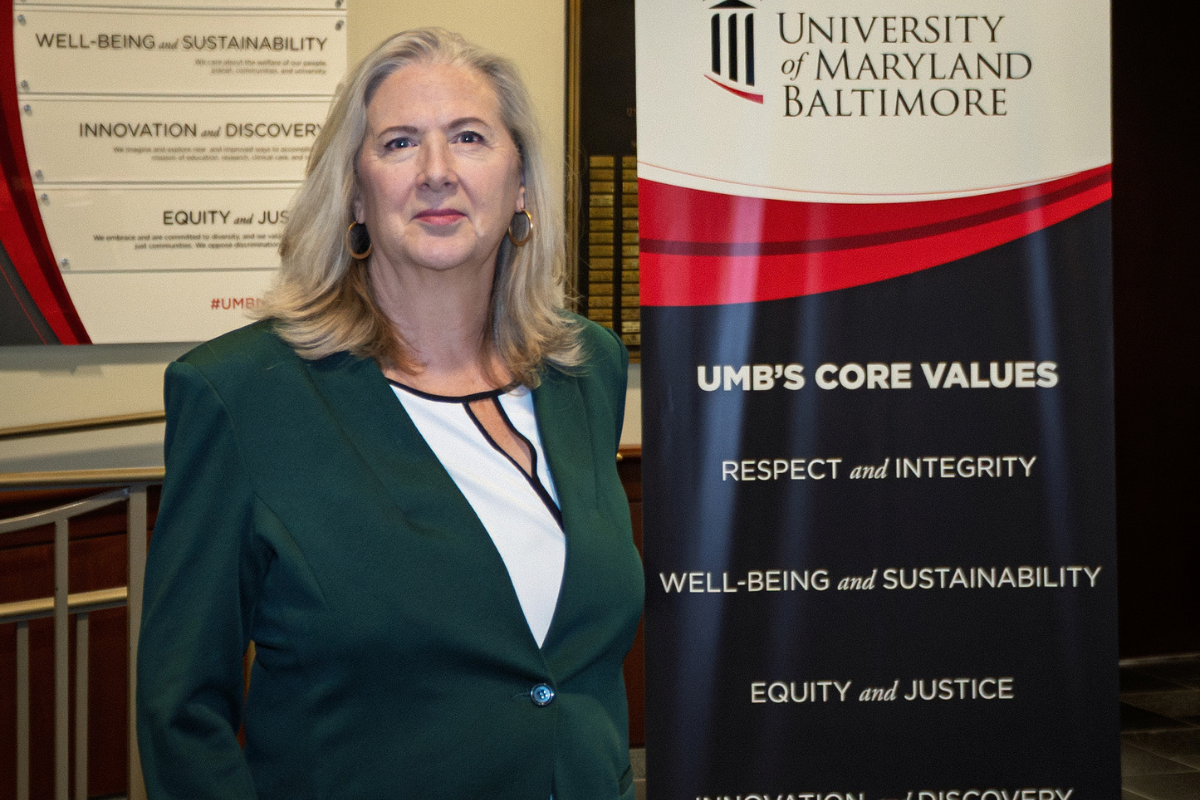
“Prevention is about far more than teaching rules. It is about building communities where respect, accountability, and belonging become the norm.”
As schools, communities, and policymakers search for more effective ways to prevent sexual violence and respond to harm among young people, C-DRUM's Levitas Initiative for Sexual Violence Prevention is gaining recognition as a pioneering force in the field. Funded by and working in partnership with the Erin Levitas Foundation, the Initiative is reshaping how institutions approach sexual violence prevention and accountability through the innovative integration of restorative practices, empirical research, scholarly publishing, public policy advocacy, and youth-centered education.
As national conversations continue about effective responses to sexual misconduct, the Levitas Initiative is shifting the focus from reaction to prevention. Research has consistently shown that effective sexual violence prevention requires changing social norms, building healthy relationship skills, and strengthening school and community climates, not simply responding after incidents occur (Centers for Disease Control and Prevention, 2016; DeGue et al., 2014). As Initiative Director C. Quince Hopkins explains, "Prevention is about far more than teaching rules. It is about building communities where respect, accountability, and belonging become the norm." This philosophy guides the Initiative's work with educators, youth-serving organizations, and community partners across Maryland and beyond.
A hallmark of the Initiative is its use of restorative practices to engage youth in meaningful conversations about consent, boundaries, and healthy relationships. The Initiative's immersive approach to prevention curriculum helps schools and youth organizations move beyond one-time awareness programs toward sustainable cultural change (Gregory et al., 2016; Karp & Breslin, 2001).
The Initiative's growing influence is reflected in a robust research agenda. Recent scholarship by Hopkins, School of Social Work Professor Dr. Laurie Graham, and doctoral student April Cavaletto highlights a multidisciplinary model that combines restorative practices, prevention education, and rigorous program evaluation to identify effective strategies for preventing sexual harm (Hopkins, Graham, & Cavaletto, 2025). Additional research examining restorative justice responses to sexual harm in six countries has contributed important international perspectives on promising practices and implementation challenges (Graham, Hopkins, Cavaletto, & Aggarwal, 2025).
A recent Photovoice project co-led by Graham and Professor Dr. Theda Rose, provided an opportunity for young people to use photography and reflection to explore concepts of consent, boundaries, safety, and connection. The project provided valuable insight into how youth experience and understand healthy relationships, helping inform more responsive prevention programming (Lee, 2025).
Beyond research, the Initiative translates scholarship into practical impact. Working from one of the nation's leading public law schools, the Initiative develops educational resources, professional development programs, and community-based initiatives for schools and youth-serving organizations. Law student externs and legal fellows also contribute to policy reform efforts through legislative testimony and policy papers, including work addressing Maryland laws affecting youth.
For the University of Maryland Francis King Carey School of Law, the Levitas Initiative exemplifies the power of interdisciplinary collaboration to address complex social challenges.
Selected references
Cavaletto, Graham, Walton & Hopkins, 2026
Centers for Disease Control and Prevention. (2016). Preventing sexual violence: A technical package of policy, programs, and practices.
DeGue, S., Valle, L. A., Holt, M. K., Massetti, G. M., Matjasko, J. L., & Tharp, A. T. (2014). A systematic review of primary prevention strategies for sexual violence perpetration. Aggression and Violent Behavior, 19(4), 346–362.
Graham, L. M., Hopkins, Q. C., Cavaletto, A., & Aggarwal, N. (2025). Using restorative justice to respond to and prevent sexual harm: A qualitative study of formal practices in six countries. Journal of Interpersonal Violence, 40(17–18), 3929–3956. https://doi.org/10.1177/08862605241285877
Hopkins, Q., Graham, L., & Cavaletto, A. (2025). Magic or Morass?: A Multidisciplinary Approach to Restorative Practices for Sexual Harm Prevention and Program Evaluation. Journal of Legal Education, 73, 1037–1057.
Laura Lee, University of Maryland. (2025, June). Maryland youth use photography to advance sexual violence prevention initiatives. https://www.umaryland.edu/news/archived-news/june-2025/maryland-youth-use-photography-to-advance-sexual-violence-preventioninitiatives.php
Gregory, A., Clawson, K., Davis, A., & Gerewitz, J. (2016). The promise of restorative practices to transform teacher-student relationships and achieve equity in school discipline. Journal of Educational and Psychological Consultation, 26(4), 325–353.
Karp, D. R., & Breslin, B. (2001). Restorative justice in school communities. Youth & Society, 33(2), 249–272.