
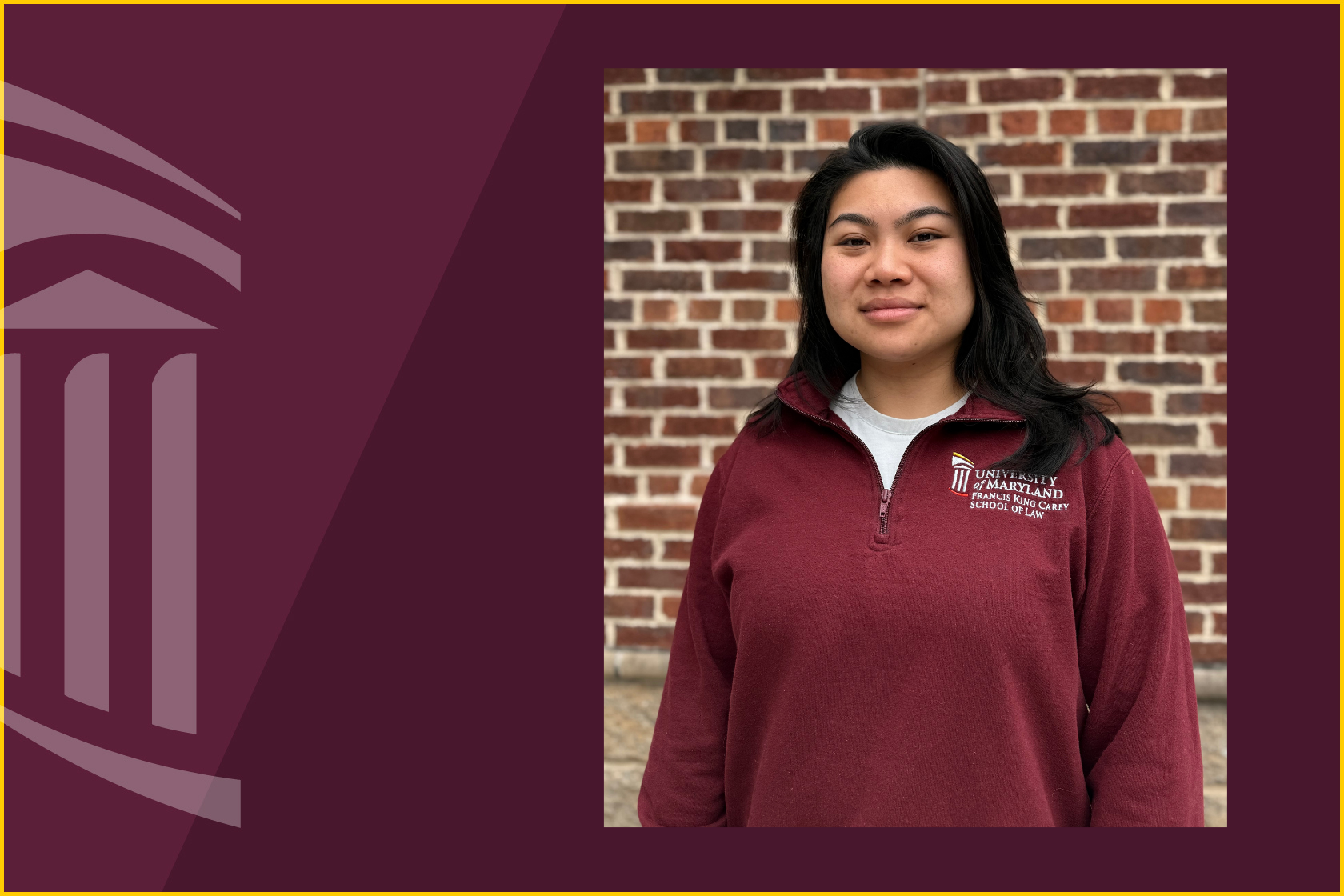
Amanda Liang, the 2025 Ronna K. Jablow Mediation Fellow, can still recall the words of their trainer at the start of inclusive mediation training: “As mediators, we are trained to hold incredibly vulnerable and human moments without judgment or assumption.”
Over the next six days of training, Amanda learned about the mediation process, communication techniques, and the ethical obligations of mediators. They also learned about the power of mediation when the trainer shared a story of a young man whose two brothers were killed shortly after he was incarcerated and who hadn’t spoken to his mother for years until they sat across the table from one another during a re-entry mediation. For Amanda, “that story became a touchstone.” Over the course of a summer they learned how “re-entry mediation creates spaces for conversations that are otherwise impossible within prison walls and how the practice of mediation itself is a form of bearing witness.”
Amanda served as the eleventh Jablow Mediation Fellow. Established in 2017, the Ronna K. Jablow Mediation Fellowship supports a Maryland Carey Law student to spend a summer working with Community Mediation Maryland, seeing conflicts and social challenges through the lens of the community mediation movement.
“As a law student, while I had already seen how mediation’s outcomes could be transformative for clients, I didn’t expect the practice itself to be what transformed me.” The summer spent working with community mediation broadened their understanding that cases may, on paper, concern a discrete legal issue like an estate dispute or neighborhood disagreement, but these conflicts are often about something much deeper.
Amanda credits their Jablow Fellowship with preparing them to counsel and represent clients in the future: “Mediation has strengthened my ability to listen deeply, navigate conflict with humility, and create space for people to articulate their own needs and values without the imposition of my preconceptions.” In addition to building technical skills, they learned how to sit with clients’ pain, reflect without judgment, and “build peace from violence.” The overarching lesson was that mediation skills can support lawyers to practice with empathy, patience, and respect for others.
Currently a second-year law student at Maryland Carey Law, Amanda plans to graduate completing the Dispute Resolution Track. Since finishing the Jablow Fellowship last summer, they have continued to serve as a volunteer mediator with Community Mediation Maryland and the Baltimore Community Mediation Center.