
This fall, Maryland Carey Law is taking a new step to expand access to legal services for entrepreneurs and small businesses with the launch of the Small Business Clinic (SBC), which will provide legal advice and services to entrepreneurs, small businesses, and community organizations in underserved communities throughout Maryland.
The new clinic will give Maryland Carey Law students the opportunity to develop practical transactional lawyering skills while working directly with clients on the legal issues that arise in starting, operating, and growing a business. Students will assist clients with matters including business formation and governance, contracts, employment issues, leases, licenses and permits, and other legal needs that can shape a business' foundation and future.
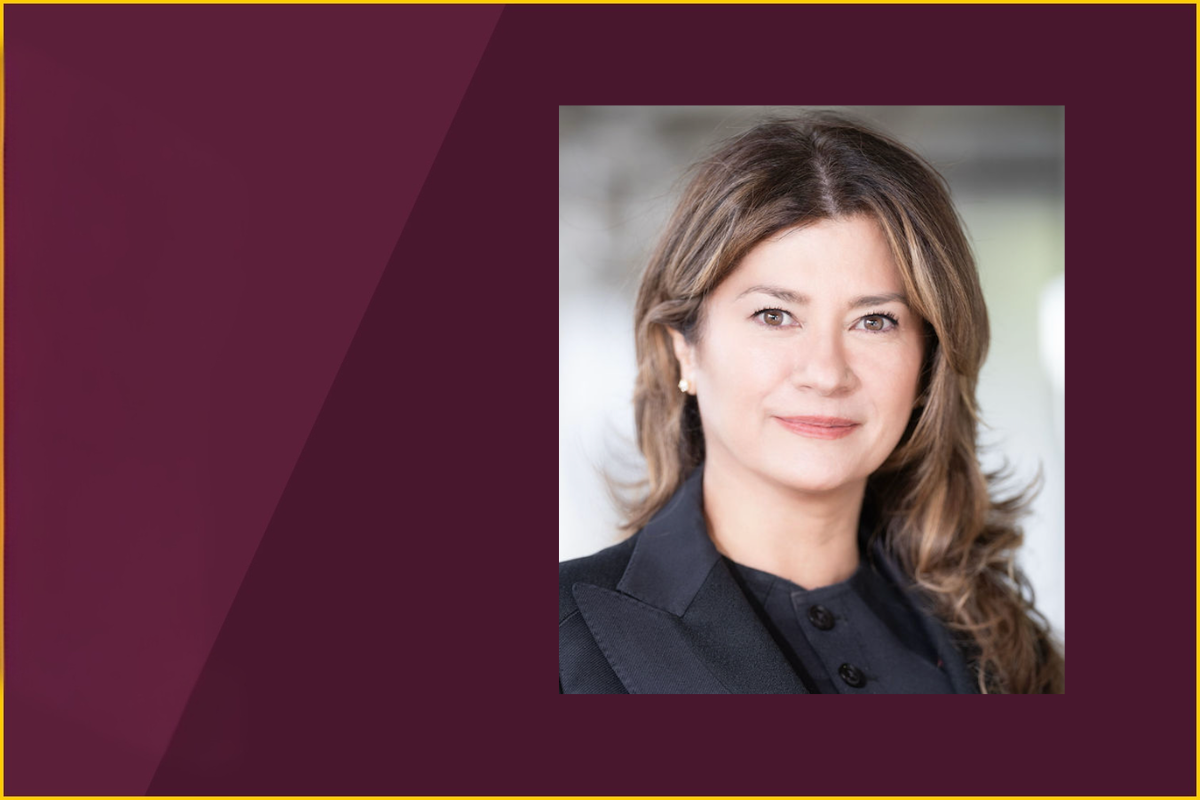
Leading the launch of the clinic this year is Jacqueline Laínez Flanagan, a visiting associate professor who has extensive experience in clinical legal education and in representing entrepreneurs, small businesses, nonprofits, and community organizations. As the clinic's inaugural instructor, Flanagan is building the program from the ground up, developing relationships with community partners, establishing the clinic's case-selection and practice framework, and creating opportunities for students to learn transactional lawyering through direct client representation.
The Small Business Clinic will also work in partnership with Maryland Carey Law's Intellectual Property and Technology Law Clinic (IPTLC). IPTLC will offer workshops to help entrepreneurs understand the legal requirements and processes for protecting their intellectual property, including patents, trademarks, and copyrights, as well as topics such as trade secrets and nondisclosure agreements. Together, the clinics will provide entrepreneurs with a broader understanding of the legal considerations involved in building and protecting a business.
The Small Business Clinic is being launched with the support of TEDCO, Maryland’s economic development organization focused on supporting the State’s innovation ecosystem and helping Maryland entrepreneurs and startups access resources to grow.
Flanagan will lead the clinic’s development during the 2026–27 academic year. Etienne Toussaint, who brings experience in community development, entrepreneurship, and transactional law, will join Maryland Carey Law as the clinic’s instructor for the following academic year, continuing the work of building the clinic and expanding its opportunities for students and clients.
As she begins building the clinic, Flanagan sat down with us to discuss the new program, the legal needs of small businesses, and what she hopes students will take away from the experience.
What drew you to the opportunity to build the Small Business Clinic at Maryland Carey Law, and what do you hope this clinic will make possible for the entrepreneurs and communities it serves?
I have had the good fortune of founding and relaunching several clinical law programs over my career, so the prospect of helping to launch a new Small Business Clinic at Maryland Carey Law was intrinsically appealing. Last year I had the opportunity to collaborate with Maryland’s IPTLC Director, Professor Patricia Campbell, at George Washington University Law School. I have also admired the work of Maryland Carey Law Professors Cori Alonso-Yoder, Michael Pinard, and Beverly Winstead within the broader clinical law community, so I knew I would be in wonderful company during my yearlong visit.
In terms of the vision for the SBC over this academic year, our aim is to provide a service for Maryland entrepreneurs to address their early-stage startup legal needs, as well as to position established small businesses as they grow and continue to expand their reach. Notably, the law school’s partnership with TEDCO’s BRIDGE program has proven invaluable in terms of forging immediate connections with Maryland entrepreneurs in need of legal services.
What do you hope students take away from their experience in the clinic, beyond the technical skills of drafting a contract or forming a business?
My hope is that students take away a firsthand appreciation of the significance of service in the practice of law. We are in a service profession and there is a deep sense of responsibility imbued in serving as a counselor at law. Transactional clinic work plays a vital role in setting up small business owners for success, helping them to conduct due diligence and develop best practices that aid in the identification and mitigation of risk.
Student attorneys are given a seat at the table during the early formation and growth stages of burgeoning businesses. Students manage their cases under close supervision, learning how to effectively interview and counsel their entity clients, and importantly, how to implement private ordering to facilitate business deals for these entities. An overarching sentiment expressed by student attorneys at the conclusion of their time in clinic is not just a sense of accomplishment in meeting deliverables and thus their duty to their clients, they also note a deep appreciation for the relationships they have built along the way – with their clients, supervisor(s), and teammates.
You’re new to the Maryland Carey Law community. What have you enjoyed most about your experience here so far?
The students! I am currently teaching Civil Procedure, and I have been honored to guide 1Ls through some of the intricacies of legal practice, introducing them to procedural due process, and other foundational elements inherent in navigating cases and controversies across our American legal system. It has been intensely edifying to accentuate the core principles of access to justice, from constitutional constraints to the role of Congress and our common law legal framework. I feel very lucky to continue to have the opportunity to work with a wide array of students, from first-semester 1Ls to graduating 3Ls.