Faculty in the News - Archive
Tuesday, October 10, 2006
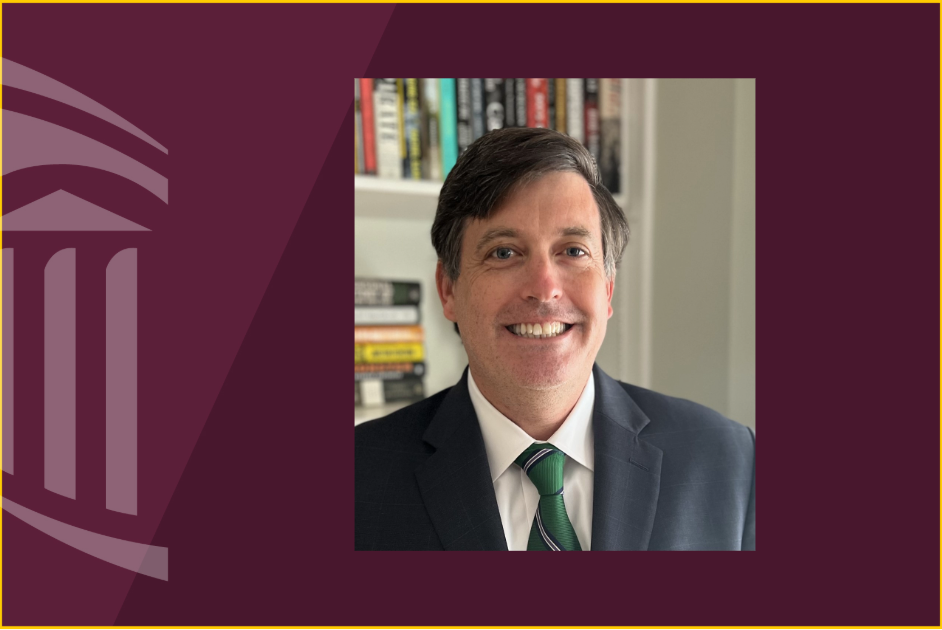
Professor Michael GreenbergerBloomberg News – Now that the suspicion of insider trading is increasing, regulators who have had little to say about imposing rules on the $346 billion of unregistered credit-default swaps may be forced to increase control over Wall Street’s hottest and darkest market. "In a market that is completely opaque, all sorts of abuses are made easier," said Michael Greenberger, JD, professor at the School of Law and former director of markets and trading at the Commodity Futures Trading Commission. "The temptation to make money, in a way that would be unacceptable in a regular market, is just too great."
Monday, October 9, 2006
Professor Mark GraberHistoryNewsNetwork.com – In a commentary entitled "Was the Dred Scott Decision Morally Wrong But Still Legally Correct?" Mark Graber, JD, PhD, professor at the School of Law, analyzed the case of Dred Scott, a slave who sued unsuccessfully for his freedom in 1856, in the case of
Dred Scott v. Sandford. "The crucial issue in Dred Scott was whether the due process clause of the Fifth Amendment gave persons a right to bring slaves into the territories," wrote Graber.
Friday, October 6, 2006
Professor Frederick ProvornyThe Gazette – The U.S. Supreme Court on Wednesday examined MedImmune, Inc.’s ongoing legal battle with rival biotech company Genentech, Inc. in a case that could change how many companies use and pay for patented technologies and products. "A small biotech company would be threatened by a ruling that could make them get licenses for patents that may not be strong," said Frederick Provorny, JD, visiting professor at the School of Law and director of the Maryland Intellectual Property Legal Resource Center. Licensees can ‘‘go another route," said Lawrence Sung, JD, PhD, professor at the School of Law and director of the Intellectual Property Law Program. "The U.S. Patent Office has a program. So my feeling is that a ruling against MedImmune wouldn’t stifle that ability" for re-examining patents for ‘‘invalidability."
Friday, October 6, 2006
Professor Lawrence SungThe Gazette – The U.S. Supreme Court on Wednesday examined MedImmune, Inc.’s ongoing legal battle with rival biotech company Genentech, Inc. in a case that could change how many companies use and pay for patented technologies and products. "A small biotech company would be threatened by a ruling that could make them get licenses for patents that may not be strong," said Frederick Provorny, JD, visiting professor at the School of Law and director of the Maryland Intellectual Property Legal Resource Center. Licensees can ‘‘go another route," said Lawrence Sung, JD, PhD, professor at the School of Law and director of the Intellectual Property Law Program. "The U.S. Patent Office has a program. So my feeling is that a ruling against MedImmune wouldn’t stifle that ability" for re-examining patents for ‘‘invalidability."
Friday, October 6, 2006
Professor Steve SchwinnThe Daily Record – In his Op-Ed entitled "Just Grant the Petitions," Steven Schwinn, JD, assistant professor at the School of Law, urges the Circuit Court for Baltimore County to grant "the dozens of petitions for sentence modifications from state inmates who remain incarcerated due merely to an accident of time."
Go to page: 1 2 3 4 5 6 7 8 9 10 11 12 13 14 15 16 17 18 19 20 21 22 23 24 25 26 27 28 29 30 31 32 33 34 35 36 37 38 39 40 41 42 43 44 45 46 47 48 49 50 51 52 53 54 55 56 57 58 59 60 61 62 63 64 65 66 67 68 69 70 71 72 73 74 75 76 77 78 79 80 81 82 83 84 85 86 87 88 89 90 91 92 93 94 95 96 97 98 99 100 101 102