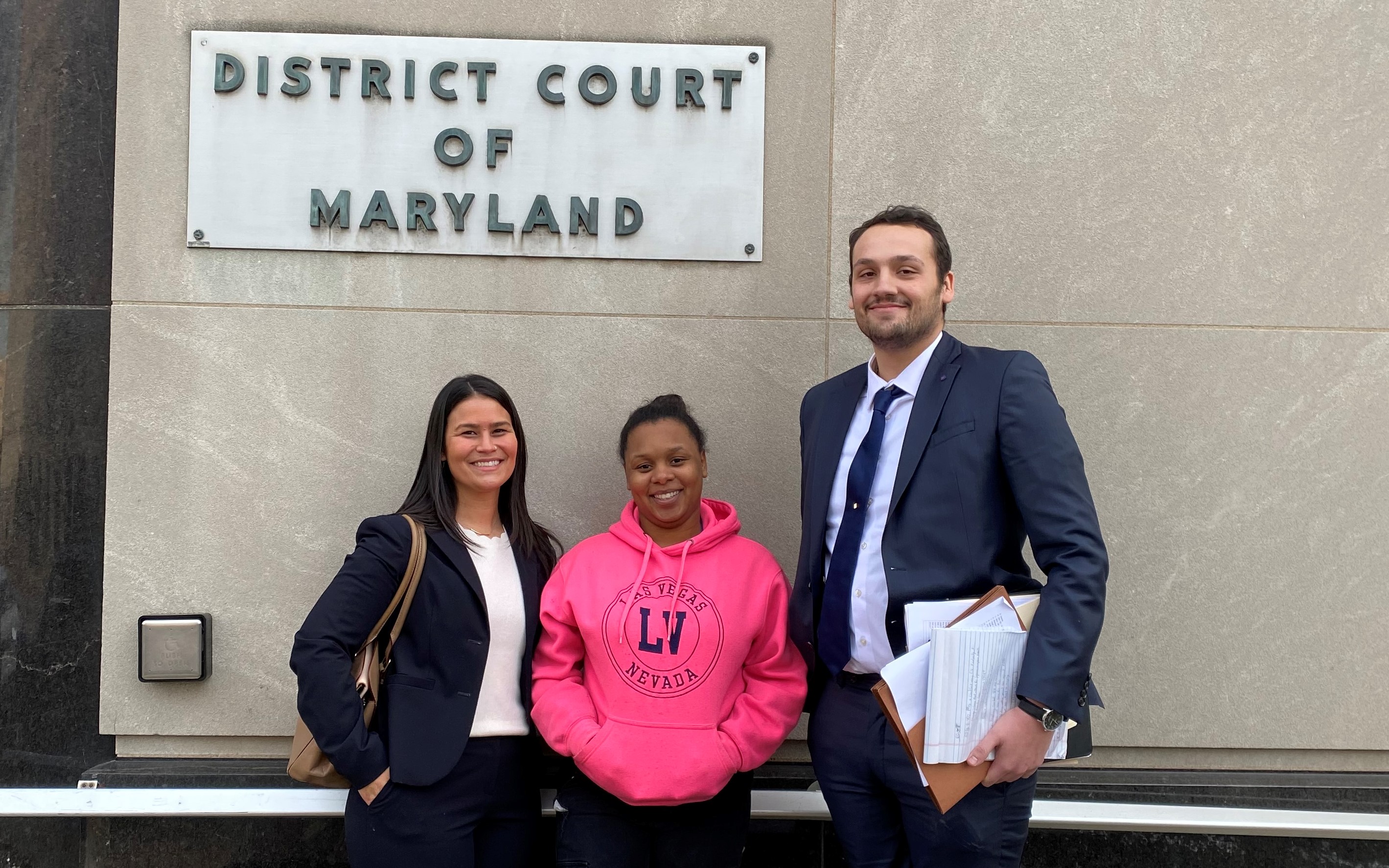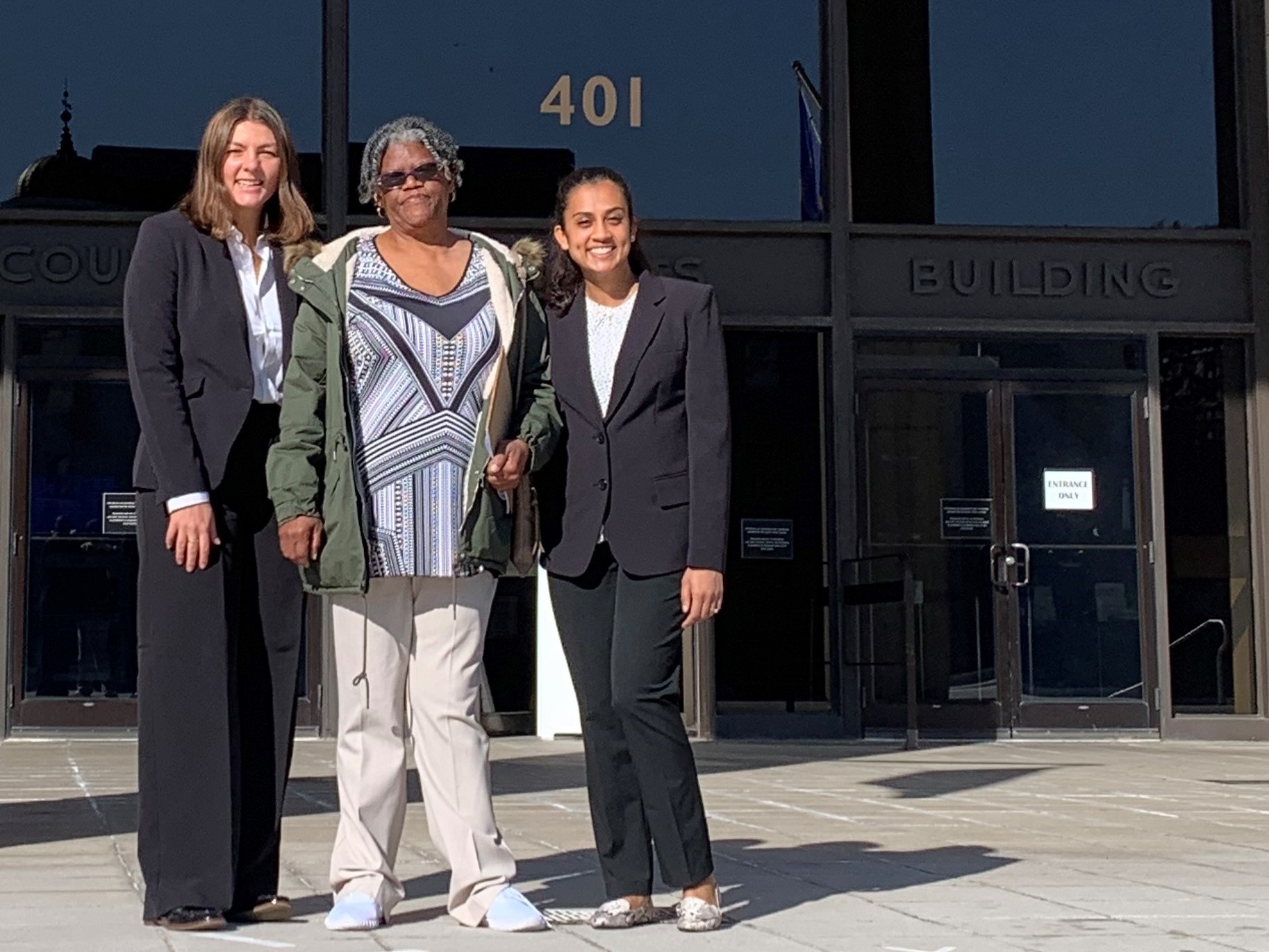
Using models that have found success nationally, especially in New York and New Jersey, we are developing a Community Prosecution Project in the John R. Hargrove District Court that will service communities in Southern and Southwest Baltimore. We are partnering with the Baltimore City State’s Attorney’s office to develop and institutionalize this project.
A project of this size and scale would fail without the support of the communities. We are assisting the community associations of Cherry Hill, Pigtown, and Bel Air/Edison to establish organizational structures, plan for sustainability, and engage residents in discussions about the many ways to address issues of violence, justice and community building.
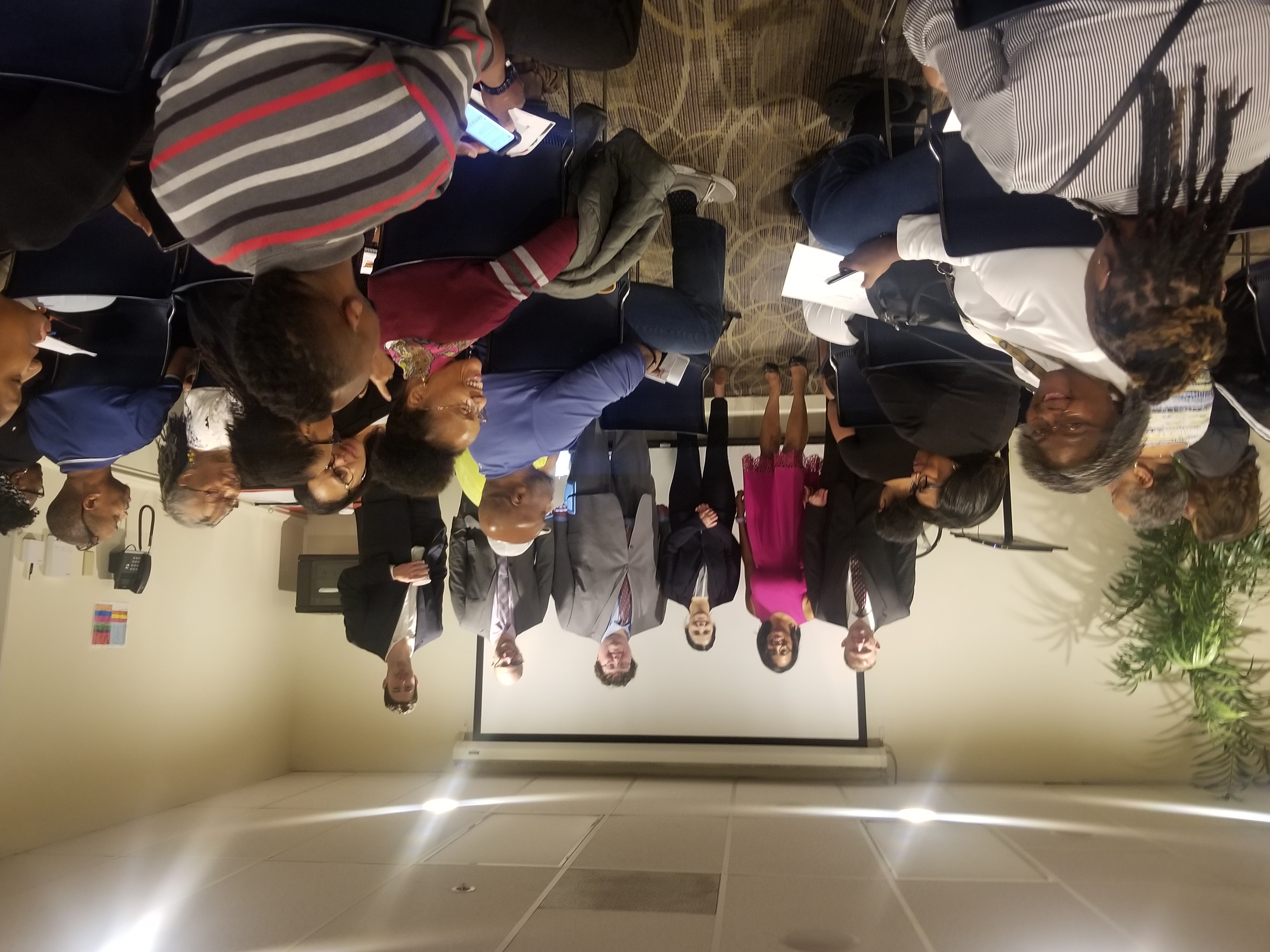
The Community Justice Task Force (CJTF) is composed of 150 community and justice system stakeholders across Baltimore City. The CJTF is gaining great support and momentum as they explore the issues of how to effectively implement community justice strategies in Baltimore City. The CJTF meets twice a year. However, four sub-committees perform the primary day- to- day work of the CJTF:
This workgroup focuses on assisting communities throughout Baltimore in identifying and implementing a model of Community Justice that is most appropriate for their community. This includes researching models throughout the country and the world to help identify strategies that may be able to be modified to work in Baltimore City.
The Community Justice Model Building workgroup includes a supportive assistance process for communities with an idea or plan for community justice. This process links the community to local experts who will be able to help the community to make the idea a reality.
This workgroup is charged with finding and/or creating alternative ways to resolve issues that are in line with Community Justice ideals. The goal is to have a way for complainants to resolve their disputes without going through the criminal court process. This "rest and reconsideration" moment will occur before a complaint is filed with the Court Commissioner. Various models are being researched to determine which process would have the best chance of success in Baltimore City. Models being considered include stationing a certified and licensed social worker or other qualified professional in the lobby of the District Courthouse, or installing a self-help kiosk where citizens can find information on alternative dispute resolution options including mediation, community conferencing, etc.
The Information, Education, and Advocacy workgroup is working to inform all citizens of Baltimore on how the criminal justice system operates and to educate them on the concepts, strategies, and benefits of Community Justice. This is being accomplished through presentations across Baltimore City in coordination with Baltimore City Council Members, Police/Community Relations Councils, neighborhood associations, and other groups.
In conjunction with the Center for Substance Abuse Research (CESAR) at the University of Maryland, College Park, a website has been developed to list resources for a variety of programs state wide that address needs from substance abuse services to mediation and healthcare.
This new workgroup is charged with creating a foundation of mutual respect and open communication between young people and adults in order to gather youth perspectives on causes of violence and crime. The workgroup will also engage youth in the development of Community Justice modes to address youth identified issues.