

Faculty in the News - Archive
Tuesday, August 15, 2006
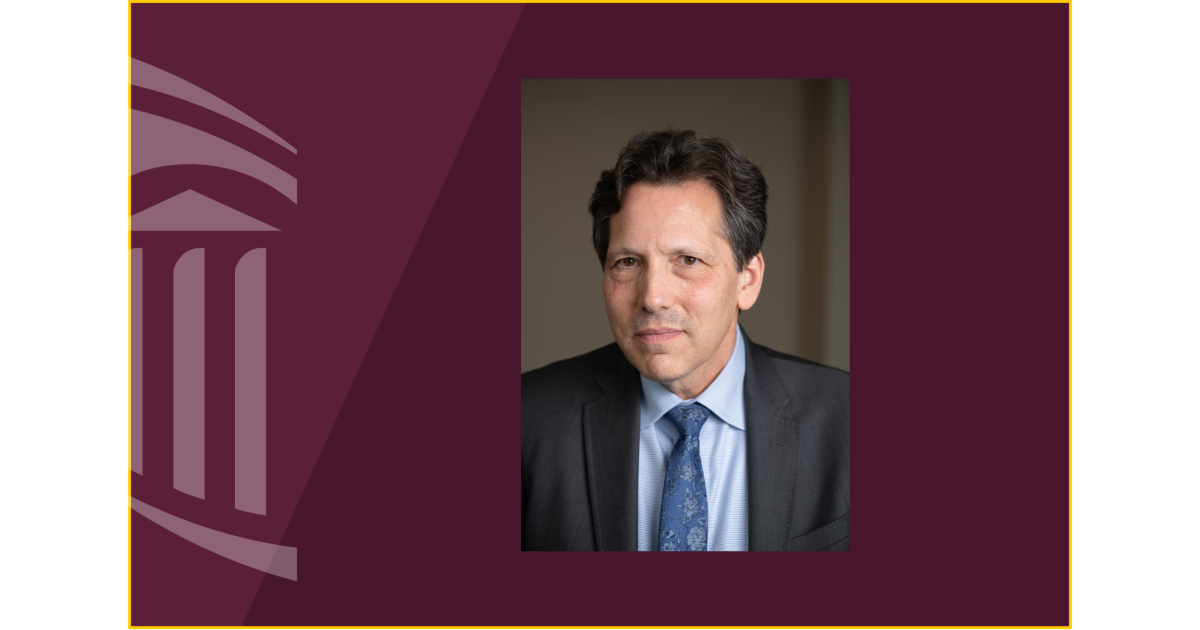
Professor Michael GreenbergerWBFF-TV – In light of last week’s bomb plot that was aimed at U.S. airplanes and subverted in Great Britain, a ten-year-old report from the federal government has been uncovered that detailed the threat from liquid bombs aboard carry-on luggage. "I think there is a lot of off-the-shelf technology that could be made available; certainly it could be made very quickly," said Michael Greenberger, JD, professor at the School of Law and director of the Center for Health and Homeland Security.
Monday, August 14, 2006
Professor Garrett PowerWBFF-TV – Garrett Power, LLM, LLB, professor at the School of Law, discussed the legal rights that Baltimore has under eminent domain to seize the land of two brothers in the Fairfield section.
Monday, August 14, 2006
Adjunct Professor Andrew LevyVirginia Lawyers Weekly – Forensic examiners say computers and other advances have made it tougher for even a trained expert using high-tech equipment to determine whether a document is genuine. "Some of the new developments in forgery are enough to make some people long for the days of the best evidence rule, when lawyers looking to get a document admitted into evidence generally has to come up with the original," said Andrew Levy, JD, adjunct professor at the School of Law.
Sunday, August 13, 2006
Professor Michael GreenbergerWashingtonpost.com, Slate.com – Across the country, teenagers are being tried as terrorists for plots to shoot their enemies at school. In many cases, they have been charged under terrorism laws intended to keep us safe from al-Qaeda. But Michael Greenberger, JD, professor at the School of Law and director of the Center for Health and Homeland Security, said that charging troubled teenagers as terrorists "cheapens the war on terror."
Saturday, August 12, 2006
Professor Michael GreenbergerThe Los Angeles Times – The threat of liquid explosives underscored by the disruption of a suspected terrorist plot in Britain last week has been known to security agencies for more than 10 years and exposes the vulnerability of U.S. aviation security systems today. In 2003, the Transportation Security Administration redirected more than half of the $110 million it had allocated for research and development to pay for screeners at the nation’s airports. "They have all sorts of mandates and money to find and deploy the very best technology available," said Michael Greenberger, JD, professor at the School of Law and director of the Center for Health and Homeland Security. Yet, "it is a completely opaque and seemingly inert part of the department."
Go to page: 1 2 3 4 5 6 7 8 9 10 11 12 13 14 15 16 17 18 19 20 21 22 23 24 25 26 27 28 29 30 31 32 33 34 35 36 37 38 39 40 41 42 43 44 45 46 47 48 49 50 51 52 53 54 55 56 57 58 59 60 61 62 63 64 65 66 67 68 69 70 71 72 73 74 75 76 77 78 79 80 81 82 83 84 85 86 87 88 89 90 91 92 93 94 95 96 97 98 99 100 101 102